Thursday, June 12, 2025

44 Years with HIV: A Hemophiliac Survivor’s Unprecedented Journey

Joseph Burke, age 45
Joseph Burke may be the longest-living person in North America with HIV contracted through contaminated blood products—his story is a testament to endurance, science, and hope.

It’s a bold claim—but one that, after years of research and verification, I no longer make lightly. This November, I will be celebrating 44 years of living with HIV. And if my findings hold true, I may be the longest-living hemophiliac in North America with an HIV diagnosis resulting from tainted blood products distributed in the early 1980s.

The journey to this realization has been long, personal, and deeply rooted in both history and science. My condition and timeline align with a dark chapter in pharmaceutical history—one in which clotting factor blood products, used to treat hemophilia, were later revealed to have been contaminated with the virus that causes AIDS.

A Letter That Changed Everything


In December 1983, my mother received a letter from Cutter Pharmaceuticals, one of the major manufacturers of clotting factor products at the time. The letter warned that specific LOT numbers of their products might have been contaminated with HIV. Families were urged to check their current supplies and alert their hemophilia treatment centers.

My mother was devastated to discover that the vials in our refrigerator matched the LOT numbers listed in the letter. I had just turned three.

But the symptoms had begun much earlier.

The First Signs

By early 1982, my platelet counts and immune system were already in decline. My mother remembers me being unusually pale, with dark circles under my eyes. I was tired constantly, often falling asleep without warning. Then came the alarming signs—lung congestion, oral thrush, throat swelling, and anemia. These were not typical complications of hemophilia. Something more serious was happening inside my body.

Today, after decades of living through the evolution of HIV treatment, I’m working closely with my infectious disease specialist at the University of Florida to verify the exact timeline of my infection. Based on symptom onset and pharmaceutical disclosures, it’s estimated that I contracted HIV in the spring of 1982—possibly making me the longest-living hemophiliac with HIV in the U.S., if not the world.

Living with a Legacy

Now 45 years old (46 in November) I continue to manage the long-term effects of hemophilia and HIV. The biggest challenges I face today are orthopedic: severely damaged knees, ankles, elbows, and shoulders from years of bleeding episodes. But medically, I am thriving.

In May 2025, my most recent labs returned with a viral load that was undetectable while on Dovato, my current antiretroviral regimen. Even more encouraging was my CD4 count—574, the highest I’ve seen since I began tracking my lab work in 2001. For comparison, I typically average between 374 and 450.

More Than Survival

This story isn’t just about survival—it’s about resilience, science, and the power of advocacy. When I was diagnosed, HIV was a death sentence. Today, it’s a chronic condition that I manage while still living fully, working as an artist, and telling my story so others don’t feel alone.

I share this journey not for pity or praise, but to illuminate a piece of medical history often forgotten, and to inspire others living with chronic conditions that longevity—and even thriving—is possible.

If the data continues to confirm what we believe, this November will not only mark a personal milestone, but a historic one: 44 years of life with HIV, and still going strong. This is not to mention I beat a 30 year infection of hepatitis C in 2014 on the breakthrough treatment called “Sovaldi.” It was this 6 month treatment that inspired me to create this very blog, and document my life and struggles from my perspective. 

Monday, July 22, 2024

Arkansas Prison Blood Scandal

Anyone ever heard of the "Arkansas Prison Blood Scandal?" The ties to Health Management Associates (HMA) and the Clintons run deep. Blood mining became big business in the late 1970s and up to 1983 when the FDA stripped HMA of its authority to collect and sell plasma from prisoners, who received $7 a pint for their blood.

In 1979, the very year Clinton became governor of Arkansas, the state prison system was awarded a hefty financial contract to the Little Rock agency HMA. The company received $3 million a year to run medical services in the state's wretched prison system. However, due to a lack of screening inmates in the Cummins Unit in Grady, Arkansas, the blood collected by HMA was tainted. HMA neglected to screen the blood from inmates even after the FDA issued warnings about the rising incidence of HIV, AIDS, Hepatitis C, and Hepatitis B. Inmates even complained about the reuse of needles between prisoners giving blood.

Under Bill Clinton’s governorship in the 1980s, the blood collected by HMA became a multi-billion-dollar industry as HMA was permitted to resell the blood to pharmaceutical companies. What does all of this have to do with me?

I was born a hemophiliac, and to treat my bleeding disorder, I required intravenous injections of clotting factor and plasma so I could clot and produce thrombin. Without these infusions, sometimes needed 3-4 times weekly, I couldn’t clot, which put me at high risk for joint bleeds and hemophilia-related chronic bleeding episodes, resulting in debilitating mobility, pain, and prolonged recovery times. Without treatment, I could literally bleed to death.

At age 2, roughly as best we can determine, I was co-infected with both HIV and Hepatitis C. Despite my mother’s best efforts to protect me, she had no idea what was taking place or going into my veins.

I spent the next two decades of my life practically living at a university hospital, trying to rescue my life from certain death. By 1983, I was infected with two viruses that had been traced back to the Cummins Prison from inmates who were addicts, users, and sexually promiscuous. My life was forever changed by the greed of men, who sold units of blood for $70 each, grossing over $7 million yearly and making huge profits for Clinton’s mandated HMA.

In 1983, the FDA stripped HMA of its ability to sell and distribute blood. The state police were called in to file reports regarding "falsifying records and shipping hot blood." Leonard Dunn, a Little Rock banker and political ally and personal friend of Bill Clinton, was involved. Millions of dollars were going through the hands of Dunn and Clinton. The misconduct was blamed on a disgruntled security guard “who was taking kickbacks from rejected prisoners in order to let them get back into the blood trade. The license was quickly restored and the tainted blood once more began to flow.” The blood flowed once more until the FDA finally shut it down altogether in 1994. HMA turned to Canadian blood dealer Cryosan, who’s shady reputation had them falsifying documents on obtaining blood from Russian cadavers and then labeling it from Swedish volunteers. Cryosan passed the blood from the Cummins Prison Unit to Canadian Red Cross and sold blood to Italy, France, Spain and Japan (infecting millions). 

When HMA was forced to stop U.S. sales of its blood, they did the only logical thing. Pressure from the FDA forced HMA to stop selling and distributing its blood batches to U.S. pharmaceutical companies. The plasma program at the Cummins Prison Unit figured out a way to ship its tainted blood to other countries, including Canada, resulting in thousands of hemophiliacs contracting HIV, AIDS, and both strains of Hepatitis.

Clinton knew well the dealings of the blood and plasma program of the Arkansas Prison System. Dunn became president of HMA through channels and deals with Clinton. Even more interesting, Richard Mays, Leonard Dunn, and Bill Clinton’s names would later show up again in the Whitewater Scandal. Dunn also became the financial coordinator for Clinton’s fourth-term political election.

From a state program funded by the Clinton administration, unregulated blood and falsified documents led to tainted blood, resulting in over 10,000 hemophiliacs contracting HIV, AIDS, and HCV.

As pharmaceutical companies paid for the tainted blood from the Arkansas Prison Healthcare program, concerns about the blood containing HIV, Hepatitis C, and Hepatitis B were, for the most part, overlooked in the pursuit of profit. Cutter Pharmaceuticals, one of the companies that manufactured hemophilia-related products, sold their infusion treatments to patients, including myself. Over 10,000 bleeding disorder patients contracted these viral pathogens from the “prison plasma” program.

I've now lived over 42 years being HIV+, and by the grace of God, was cured of Hepatitis C in 2014 by a breakthrough drug called Sovaldi. But my pain, my suffering, and the lives of some of my family members who died of AIDS or AIDS-related illnesses, directly stem from this prison and the greed of Clinton’s administration.

Evil exists… Crooked politicians fattening their wallets on the backs of innocent blood recipients is a tale not many care to share these days. But… this story had to be shared so the world knows and doesn’t forget the horrors that happened among hemophiliacs of the 70’s through the 90’s. I’m a product of greed, but blessed to continue to carry the torch for those no longer here whose voice has been silenced. 

To quote Dylan Thomas, “Do not go gentle into that good night. Rage, rage against the dying of the light.”

Monday, January 8, 2024

Complications with Aging HIV


Emergency Oral Surgery
I have brittle bones, and this extends to my teeth. Despite taking vitamin D supplements for over four years, the long-term effects of HIV are taking a toll. This isn’t a concern for newly diagnosed or recent patients, but as a 42-year-old with HIV, my bone density is diminishing. 

Annually, I undergo a bone density scan to assess overall bone health. I’ve dealt with early onset osteoporosis in my hips and lower back for years, and now these issues are spreading. HIV depletes minerals and sucks the life out of my bones and marrow, revealing the impact of living with the virus for so long, despite being undetected. 

HIV resides dormant in my bone marrow’s T-Cells, the epicenter of our immune system, harvesting minerals and reducing bone density. Although HAART therapy makes the virus undetected in lab tests, it’s still present. After 40 years of infection, I have weakened bones and compromised immunity.  

Low bone mineral density (BMD) is common in HIV-infected individuals. Starting antiretroviral therapy leads to a 2%-6% BMD decrease over the initial two years, comparable to menopausal changes (Source: www.ncbi.nlm.nih.gov). 

I fear this signals the start of more incidents due to compromised bone density. The tooth has been temporarily fixed; a permanent porcelain crown is scheduled for February. I’ll provide updates in the future.

Cracked Molar with exposed nerve

Fixed Molar prepared for Crown

Dental Dam with compound application

Monday, July 10, 2023

Pfizer’s “Science Will Win” Campaign

Despite spending most of his childhood in the hospital because of hemophilia, he is living proof that the right treatment can improve your quality of life. As a child, Joe spent most of his time inside, facing a series of blood transfusions that limited his mobility and prevented him from participating in activities like many kids do.Now, with a once-a-week treatment, he’s able to do the things he once only dreamed of, like hiking and working out with his wife. Visit my page on Pfizer’s official web site, and help me share this incredible opportunity to share my story to the world.

Wednesday, April 26, 2023

Aging with HIV - A Patient Perspective (Over 40 Years HIV Positive)

Join us for a powerful and informative interview on the topic of 'Aging with HIV.' In this 30-minute discussion, we delve deep into the health and life challenges faced by individuals living with HIV over an extended period of time. Discover the top concerns and comorbidities associated with HIV, and gain valuable insights into the needs and barriers faced by HIV+ individuals. We also explore the vital topic of sexual health and the mental health ramifications of long-term HIV exposure. Finally, we offer practical advice on coping strategies and daily activities to support those living with HIV. Don't miss this enlightening and essential conversation on HIV awareness.

Wednesday, April 20, 2022

Featured on Hashtag Our Stories

Hey friends! It's been a while. To be honest, not much has changed in terms of my healthcare and physical status. I'm still taking the same medications, and pursing an active and healthy gym and fitness lifestyle. I'm so blessed to be in the season I am in, and my labs look great! Home life is the best it's ever been, and the wife and I are still traveling and going to the theme parks regularly here in Orlando, FL. 

One thing that is new is I'm currently seeking treatment on my lower back by way of chiropractic care. My first appointment is on Thursday (two days from the date of this post), so I'm a little anxious about how treatment will go for a severe hemophiliac. To be honest, my back could use some major work. Having one leg shorter than the other from a lifetime of target joint bleeds in my right knee, my entire right leg is a half inch shorter than my left. This is because there is no spacing in the joint to cushion impact like a healthy joint's synovium has. My right knee is literally bone to bone. So I will update you guys on the progress there after my appointment. Fingers crossed! 

As the title suggests, I was recently featured on the mobile journalism platform, Hashtag Our Stories. It's founded by Yusuf Omar, and basically allows users to share their stories of triumph, hardship and really peels back the veil from mainstream media bringing new light to how stories of individuals are told and shared. Their stories are shared on social media platforms like SnapChat, Instagram, Facebook, YouTube and Twitter as opposed to mainstream network media. 

In honor of World Hemophilia Day, which was on April 17th, 2022 this year, I was approached by Hashtag Our Stories to record and share my full unbridled story. Below is the video the 3 and a half minute video their editors put together. I've gotten a range of emotional responses, and a wealth of love and support for being so transparent. But, it's not my story, but God's story. God is using my hardships to help comfort the lives of those hurting, with questions and seeking counsel about their own diagnosis. I pray this video will steer your in the right path, and encourage all who watch it let me know your thoughts. My DM's are always open. 


Thursday, December 3, 2020

The COVID-19 Era Sparks Opportunity

Even in the midst of a global pandemic, there is always an opportunity. That situation came just as the world went on lock down; as crowded cities were decimated to cinematic post apocalyptic scenes. There was an eerie hush over our inner cities and even in rural communities as families have been forced to adapt to new norms. It's been quite the year, but even amidst the hardship of a pandemic, there's situations where we can provide a ray of hope to those who need it. Such is the case of the journey I've been on the past few months. 

Even in lockdown, and limiting my exposure to public places, I've had to learn to adapt to being home a lot more often. I'm a high risk candidate having an already compromised immune system, I have to take extra precaution just going to the grocery store. But, we must learn, adapt and move forward. With all of this free time, I've been personally challenged with one of the greatest tasks of my life, writing my autobiography. It's a personal goal I've been wanting to do for the past decade but I haven't found the two or three months of free time to complete the task. What a task it is. 

Not only do I have to revisit some of the most trying times of my life like bullying, trauma and pain, but I have to prepare myself for a mental state of mind of true transparency. To tell my story accurately and effectively, I have to be willing to scale back my own inhibitions and just be real about my journey. This idea is something I've personally struggled with my entire life. It's one thing being an advocate for the bleeding disorders community, it's another notion altogether opening up about the horrors of the day to day. 


At the end of March 2020, I began that journey of writing it all out. It felt liberating, freeing even. There's portions of my story that are more spiritual, and dealing with the complications of a hemophiliac with severe joint and mobility issues. The mental weight of this is explored in vast detail as I cope with the loss of loved ones, depression, chronic pain and coming to terms with personal demons. This collection of stories and life experiences will be called, "Bloody Incredible." For the first time in my life, there is no stone of my journey left unturned, as I bring light to all my personal struggles, along with the physical ones as well. This 12 chapter, 80,000 word work is slated for a 2021 release. Currently the book is under editorial review, and my ambition is to self publish early in the year. 

I will have a crowd funding opportunity for those who want to donate the publication efforts, and each person who donates will get a copy of the book and a personalized note of appreciation. The link to that funding option will be made available very soon, so be on the lookout on my social media outlets for more information. 

So many wonderful people have helped to contribute to this book to make it even more special. The co-founder of the world renowned Blue Man Group wrote the foreword to my book, in addition to my hematologist at University of Florida writing a note to close the book. I have the honor to give you a small excerpt from my book below, which is taken from the opening prologue. You will understand the true nature of what to expect from "Bloody Incredible" after reading this. 

    "One day, a series of dark thoughts invaded my mind,
and a single thought germinated, what if I stop my HIV
medications altogether? What if I end the pain and
challenges my parents have faced in keeping me alive? No
longer will I have to live a life of pain from suffering with the
horrendous side effects of hemophilia and HIV. What if I stop
them and allow the virus to consume me, then wither away
as AIDS takes its course? No one would have to know I was
flushing them down the toilet, and it would just appear as a
fluke that I’m non-responsive to medication. What if?

    I wrestled with this idea of simply removing myself
from the equation, relieving the burden on everyone around
me and just fading away like I never existed. I’d be a mere
statistic on the CDC’s handbook of HIV infected
hemophiliacs, and no one would give a damn anyway. It’s so
painful to see yourself as a burden and attempting to find
reason and logic amidst our trials. Not being able to move
forward in life, bound by the laws of the land, rules of
disability and the restriction of not being able to fully achieve
the potential I know dwells within me is the worst feeling of
all. The goals are right there, within reach, but you can’t even
extend an arm because your lifeline would be severed."

I'm doing incredibly well, all things considered. I still cope daily with chronic pain stemming from hemophilia arthropathy, and maintain a coherent regimen of pain medications and holistic medicine to cope. My weekly infusions of Hemlibra are going well, and I'm pleased to inform you that I've sustained the record of no new bleeds since on the drug. I'm nearing my two year anniversary on January 16th, 2021 of being two years, bleed free. Also, my HIV is still well maintained at undetected status thanks to my new regimen on Biktarvy. Stay tuned for more updates as we arrive close to a book release date. Follow me everywhere @istrive2thrive on social media.

Monday, September 30, 2019

Hemlibra Update & HIV Medication Changes

It's been a few months since my last update, but a lot has transpired since then, and I want to let my readers know my progress. Overall, I've been doing incredibly well in terms of health, labs and general well being. Living in Orlando, FL is a blessing in many ways, as my wife and I enjoy the many theme parks in the area. This means lots of walking, sightseeing, riding roller coasters and in many ways, living a normal and productive lifestyle.

On January 16th of this year, I embarked on a new journey on how I treat my hemophilia. It's cutting edge, and a latest therapy called "Hemlibra." Hemlibra isn't your typical intravenous infusion with factor VIII or factor IX synthetic replacement. It bypasses the factor VIII clotting cascade and binds together factor IX and factor X proteins to complete the synthesis of clotting. So in essence, binding two already existing proteins together, and allowing a patient with hemophilia type A with or without inhibitors to achieve almost normal clotting ratios. This does not mean that one is automatically achieving normal percentages of clotting factor as determined by a partial thromboplastin time (PTT) test. It simply means, your risk of bleeding is vastly reduced by 94-95% for further joint damage, physical injury, etc...

Since starting Hemlibra in January, I'm delighted to report some astounding news. Before I do so, let me just state on the record, I am neither endorsed nor affiliated with Genentech, and I am not a beneficiary of any of their programs. I am simply a patient on the product. Since my first infusion on Jauary 16th, I am delighted to report I have had absolutely zero bleeds;  neither joint, muscle or otherwise. It's very strange and very odd changing a habit and routine that's been ingrained into my very being the past 35+ years.

Old habits die hard. Not only do I have any bleeds, but I haven't had to puncture my veins since January (with exception of routine lab work) for hemophilia related therapy. Hemlibra is a subcutaneous injection. I also have not experienced site injection reactions either. What's even more strange, in all the right ways, is that I haven't a single bleed in 9 months. The longest I've ever gone without requiring factor VIII was maybe 2 weeks at most. It's truly a wonder drug.

Just to help paint the picture on my overall activity just for the month of September. I screen captured my walking totals for the entire month. As you can see, mid week's I'm less active with around 5-6,000 steps a day. On the weekends, things really kick up when I venture off to the theme parks where extensive walking totals are accumulated. Since being on Hemlibra, I can achieve upwards of 8 miles a day in walking at around 17K steps. It's unheard of! Of course, I'm sore the next day, but it's a good sore, one in which I know my body is getting exercise, my joints and muscles are working and I'm being extremely active. On previous therapies, I would be lucky to make it 4 miles without sparking a bleed in my right knee or ankles, which are my target joints. It's truly remarkable, and even though there are other organizations out there committed to spreading falsehood, and deceiving others from switching to Hemlibra, the premise of this post/update is to prove that whatever claims are being said, I'm living proof that the drug works exactly as it says it does. Move over "Big Pharma," there's a new player in town.

Lastly, this past week, my HIV doctor helped me make another big milestone transition in my life. I've been on Triumeq since December 2016, and now, just three years later, I'm switching to an all new standard. The pills shown in the picture show the size comparison to Triumeq (left) and Biktarvy (right). The reason for the switch was because of one component in Triumeq that has been linked to cardiovascular complications and even heart attacks in reported cases. That component is called Abacavir. Biktarvy is supporting a much safer tolerance and less toxicity that previous treatments for HIV can achieve. Biktarvy combines three drugs to create the cocktail barrier so the virus does not invade healthy immune cells. Those ingredients are bictegravir, emtricitabine, and tenofovir alafenamide. I am currently on day 4 of Biktarvy, and I'm happy to report no side effects at all. Previously on Triumeq, about an hour after dosing, I would feel drained, lethargic and zonked out. This happened every day for the past 3 years, and I directly associated that with taking Triumeq an hour prior. So far, Biktarvy is not doing of these mental lethargy issues, and I'm not noticing any other forms of reactions. In 3 weeks, I will go to routine lab work to monitor my HIV viral load and CD4 counts to see how the new drug is adapting to my system. Fingers crossed, and I will report back with any and all findings.

That's it for now gang. Thanks for hanging with me on this crazy and lengthy update. Please follow my social media channels on Facebook, Instagram and Twitter. I update my Instagram account constantly with more in the moment news and information. Follow me everywhere @istrive2thrive.


Friday, April 5, 2019

A Life With Chronic Pain (A Hemophilia Perspective)


The majority of my life, I've dealt with multiple aspects of chronic pain stemming from living with hemophilia. Until recently, therapies and research have shed new light on patients who live and cope daily with these ailments. Also, special guest and hemophiliac troubadour Ryan Seeley joins the panel to share from his own perspective. Join the discussion, and please share to those who could benefit.

Thursday, February 28, 2019

Advancements of Approved Therapies For Bleeding Disorders


With cutting edge research and technologies creating ripples through the bleeding disorder communities, gene therapy offers not just hope to patients, but possibly a cure within the next 4 years. We discuss the new drug "Hemlibra" and ground breaking new genetic clinical trials with astounding results. CLICK HERE to join the live stream on February 28th, 1PM Eastern.

Wednesday, November 14, 2018

Live Stream Discussion on Hemophilia

I took a huge step today and live streamed an open discussion and Q&A session on a new platform @getvokl. I opened up and shared my journey, and offered words of encouragement for those viewing. Check out the live stream in the link below.

Tuesday, November 28, 2017

How Medical Cannabis Helps Hemophilia Related Chronic Pain

I'm happy to report to all my faithful readers that I've currently been on medical cannabis to treat my chronic joint and muscle pain as a result of living with severe hemophilia. It's been a long process between going to the prescribing physician and going through the ordeal of establishing care via the new "Compassionate Use Registry" here in the state of Florida.

As a follow up from my post back in July, it took a little over two months for representatives up in Tallahassee, Florida to review and clear my application. But the first week of September, I got the final approval, and was able to finally order my treatment therapy.

I decided to go with "Trulieve" as my supplier, but there are many companies here in Florida offering medical grade cannabis products. Trulieve was recommended by my doctor as a reliable company, and I decided to take him up on that recommendation. On September 21st, my first order was delivered to my house. I was impressed by the employees, and discreetness on getting my medication to me. The vehicle was unmarked (non-branded), and the gentlemen were very prompt and on time. It's really worth the extra $20 for home delivery, knowing that it's coming straight from Trulieve, and my order is being personally overseen. That made me very confident in my decision making, and another gold star mark for Trulieve.

The order included a two month supply of CBD capsules and a vaporizer and 600mg of Indica blend. The capsules administer low levels of THC (the chemical that causes the euphoria feeling), but increased levels of CBD (the nerve ending block compound that treats chronic pain). The Indica 600mg cartridge costs around $74, but there are cheaper options in the 300mg or lower range as well. The capsules range from $37 of low level THC in 10mg form, but also range upwards of $116, depending on the potency of THC needed. I take capsules in the morning, and 2-3 inhales of the vape cartridge at night before bed.

The combination of the both of these daily has vastly improved my overall function and mobility. The effects I feel are minimal, but pain is reduced at least 80%. The only way I can describe the sensation is that still feel the weight of my body on my ankles and knees, but the pain is reduced to the point to where I can now easily get out of chairs, off the floor or out of vehicles. It's almost as if the legs are numb to a tolerable level, and when I walk, it feels like small weights are on my feet. Again, my walking isn't impaired, rather improved! I am sure each patient will have varying results, and some may need more, where others less.

I did notice after a month, I was needing 2 capsules a day of the 10mg dose, up to 20mg daily. Having consulted my doctor, he decided to increased my capsules to 50mg, as well as allowing more THC mixed with the CBD for a more potent treatment. Each person's body chemistry is different, and it's because of this, some will find they may require gradual increases until the ideal treatment plan is achieved.

So far, I've had great service using Trulieve, and their support team is very helpful. I will probably stay with Trulieve until otherwise noted. In the coming months, entering the New Year, I will monitor my progress as a long term medical cannabis user, and see if potency levels remain and be sure to keep those following my progress updated. I highly recommend those, like myself, who suffer from debilitating joint damage stemming from hemophilia related injuries, to pursue medical cannabis treatment ASAP. The benefits really are astonishing, and I'm a firm believer in natural treatments over pharmaceutical pain management.

Wednesday, July 12, 2017

Follow Up to Medical Cannabis Evaluation

KNOX Medical local Dispensaries 
So today (July 12, 2017), I had my second follow-up appointment to see the medical cannabis doctor here in Orlando. Since my last visit back in April, I was told some laws have now changed pertaining to the 3-month grace period for new patients; which is now a 45 day turn around. Legislation and regulations are constantly being adapted as Florida laws are keeping up with the fast pace of demand for cannabis.

Today, I got a clear focus of the plan regarding my treatment, and the my medical scripts were officially sent electronically to the state at the office of Compassionate Use in Tallahassee, FL. Two days ago, I got an email from the Office of Compassionate Use, a department of Florida Health, that my online profile and card were setup. A link was emailed that allowed me to login to complete my online profile and medical card for cannabis. On that profile is my unique patient ID number as well. There is a one-time fee of $75 for registering with the state of Florida, and a check or money order "must be" mailed, with a processing time of 10-14 days from the time they receive the payment.

My Cannabis Recommendation Sheet from Green Health
Patients are required to submit a photo ID. A "full‐face, passport‐type, color photograph of the patient taken within the 90 days immediately preceding registration, and 2x2 inches in size. The photograph must be color, clear, with a full front view of your face, with a plain white background. The photograph must be taken in normal street attire, without a hat, head covering, or glasses." A scanned copy of your Florida issued driver's license validating your proof of residency, your mailed processing fee of $75, and a digital signature. So now, the only thing I'm waiting for is the approval of my card by the state, and then I can contact any of the 7 seven state-wide medical cannabis vendors to order my products.

My recommended prescription includes a 10mg low THC tablet that I can take daily, or multiple times daily as needed for pain. Accompanying the tablet is an oil based treatment that is either in the form of a mouth spray or vape. The mouth spray has a slower peak from 30-60 minutes before you feel it's medicinal properties, and lasts 3-4 hours depending on the individual. The other oil form is a E-Cig vape liquid, which has a 90 second medicinal release and lasts 1-2 hours.

Since my last blog 3 months ago on cost for this process, here is an updated list of the overhead expenses going forward.

  1. Doctor Visit #1 (getting established and approved) - $125
  2. Doctor Visit #2 (45 day waiting period) - $125
  3. 45 Day post treatment check (via telephone only, if adjustments are needed) $75
  4. Doctor Visit #3 (30 weeks from second visit) - $150
  5. Compassionate Use Florida Department of Health Processing Fee - $75 (check/money order)
  6. Medication Dispense - $100-150 (varies on dosing and dispensary)
It seems like a lot out of pocket, but being that I'm on disability, and having already paid in full for my first and second visits, plus my processing fee, I'm in the home stretch. It can be done if you manage your money wisely. These fees may look daunting, but stretched out over time eases that burden. Pace yourself, and do one fee at a time. The FDH processing fee has no time limit on, so pay what you can, and move on the next. Eventually, you'll be caught up and ready to pay for your first dispense. 


So now, as I'm nearing the home stretch, I'm really excited to get started and document my progress here on my blog and social media. As far as I know, I'm the first hemophiliac in the state of Florida to come forward with Medical Cannabis treatment for chronic pain and HIV disease. Dr. Schultz told me that I was his first patient with hemophilia, so he's enthusiastic to follow and document my progress as well. As soon as Florida Department of Health in Tallahassee clears my card and processes my payment, I'll finally have the legal pleasure of calling a Cannabis Dispensary and try these products for myself.

Lastly, I've been nominated for the WEGO Helath Award, for "Best in Show : Instagram." Take a moment, click THIS LINK, and cast your endorsement for me. I could win a prize pack. This truly means a lot to me!

Thursday, April 6, 2017

Going Green, a Journey of Medical Cannabis

On November 8th, 2016, Florida voters went to the polls and cast their ballots to pass medical marijuana as an alternative chronic pain treatment option. Amendment 2 under new Florida law states, a person may possess and use marijuana if he or she is doing so to treat a "debilitating medical condition," which includes but not limited to: PTSD, cancer, epilepsy, glaucoma, HIV, AIDS, ALS, Crohn's or Parkinson's disease and multiple sclerosis. Amendment 2 passed with an overwhelming 71% vote, and for the first time granting the state of Florida and board certified doctors to prescribe low-THC cannabis and other medicinal forms of the cannabinoid. Even though the 5 page document which embodies amendment 2 is relatively small, a lot of ground work is still needed by lawmakers and legislation to prepare the state for medical marijuana distribution. Patients with a valid state issued ID, medical documentation of "debilitating medical condition," and no previous drug/criminal history are eligible. This is where I come in.
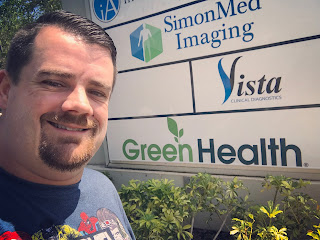
I waited a few months after January 3rd, 2017, when the law took effect in Florida, to search for a certified doctor who prescribed medical marijuana that I felt comfortable with. The main reason for my delay was to follow up with my own research into the process, and understand how this new system works for patients from the outside. I am documenting my complete journey, in hopes of offering educational value and assistance to patients who are seeking the same level of care as I. After hours of my own investigating, I was finally able to settle on my doctor here in the Orlando, FL metro area. He is Dr. Jason Schultz, an Orlando based emergency medicine physician, and his practice under the Florida state-wide organization is called "Green Health." Green Health has multiple offices currently in Tampa, St. Petersburg, Orlando, Jacksonville, Miami, West Palm Beach and Fort Lauderdale.

So what exactly is the process for the state of Florida in obtaining a "medical marijuana" card? Getting an appointment is relatively easy, as they accept any appointments as new patients. The key, however, is that you must provide a primary or specialty doctor's summary stating your diagnosis on the outlined approved medical conditions for the state, which are outlined above. Let me be 100% clear, your medical insurance WILL NOT cover any of the treatment guidelines offered by the medical marijuana doctor's office. All visits to this office are $125 per visit, but we'll cover up front expenses later.

So, what does a medical marijuana doctor's office look like? If your first initial response was like mine, a 'hole-in-the-wall' building that just serves to hand out marijuana cards, you're poorly mistaken. Upon entering the building, which is home to many other medical companies like Vista Labs, and Simon Med radiology, I noticed it was very clean, and well maintained. Green Health is located on the second floor here in the Longwood, FL office. Upon entering the door, you're greeted with a Green Health insignia, and a rahter pristine establishment. I seriously had no gripes about the facility itself, and was very relieved to see the Green Health clinic office was actually more modern and upscale than I originally anticipated. One never knows what ordeals you're getting yourself into in going to these types of unknown and new places, especially one that prescribes cannabis.

The waiting room was very pleasant with low-lit ambient lighting, which was a perfect environment for those battling light sensitivity ailments. Again, very clean and modern. All patients fill out a 5-6 page questionnaire which are generalized insight into your medical conditions and the reason of your visit. The staff and nurses were all warm and welcoming, and greeted every patient with the same level of respect and sincerity. They also request your state issued ID which is used to determine your criminal status (if any), and validate your residency and home address. I had no hesitation in handing them my Florida state driver's license.

The exam rooms also followed suit with a modern feel, the floors were spotless. With any doctor appointment, I always can determine the caliber of establishment based on the overall cleanliness of the facility. Again, I'm thoroughly impressed with Green Health and the building facility. The nurse took my vitals, and politely asked me to wait as the doctor would be in shortly. The wait was less than 5 minutes, and Dr. James Schultz greeted me with a friendly smile and hand shake. His bedside manner was just remarkable, and super easy to talk to. He encourages patients to ask as many questions as you want, and that the time spent with him is truly valued. We spent about 20 minutes discussing my potential treatment plan and combination therapy for chronic pain management. I asked so many questions from cost, protocol, medical delivery etc.

So, let's get down to the real meat and potatoes of how Florida handles medical marijuana. Each doctor's visit with Green Health is $125 out of pocket, no insurance accepted. A minimum of two visits are required. Upon the second visit after 90 days, the physician can then legally recommend medical marijuana to patients. The 90 day waiting period is mandatory from your first visit. Every 45 days, a follow phone call is required to discuss dosing adjustments and any alterations to the treatment plan needed. This phone "check-in" is $20, and required every 45 days for medical delivery and marijuana card membership. After 90 days, the physician will then order the desired medications from one of the dispensaries located nearest to you within the state.

My local dispensary happens to be Knox Farms in Winter Garden, FL. So how much is it to purchase non-insurance based medical marijuana? A little more pricey than you think. With a limited number of dispensaries starting out, only seven currently in Florida, the prices are higher starting out. My doctor informed me that he would start me on a 24-hour chronic pain low-THC treatment plan. The regimen would be comprised 1 cannabis pill daily that lasts 12 hours for daytime activity, mouth drops for nighttime and a vapor for breakthrough pain related episodes. With these three medications from the dispensary, my total will range from $100-150 every 45 days out of pocket expenses for the first month. There is also a $20 dispensary deliver fee, in which my prescriptions will be delivered discretely to my house from Knox Farms. Dr. Schultz did advise me that I won't have to purchase some of the medications upon my follow up dispense, as some items are "as needed." Like the vapor, which is a 1-2 hour short acting treatment for breakthrough episodes. The main focus is the pill forms daily.

So, here we are. First visit is over, and I now await my post 90 day doctor visit to actually be able to purchase medical marijuana for my chronic pain. Let's recap all the overhead expenses you need to know about if you plan to pursue this treatment option for your medical conditions.
  1. Doctor Visit #1 (getting established) - $125
  2. Doctor Visit #2 (post 90 day approval) - $125
  3. Every 45 day Check-in (to maintain card as patient) - $20
  4. Medication Dispense (first shipment) - $100-150
  5. Medication Dispense (post first shipment) - $45-55
I do hope this helps to shed some light on the whole process here in Florida. It does have some intricacies to it, and the second 90 day waiting period is a bit of a pain, no pun intended. To keep your medications arriving monthly will generally cost about $70-100 according to the information I received at today's office visit. These prices, though on the higher end now, will gradually decline as more and more patients register, and more dispensaries arrive in the Sunshine State. 

I can't imagine a world living in little pain, and not having to rely on harmful opiods to manage my conditions. I truly excited to give this new option an try, and I plan to document everything here in my blog. 

Monday, January 23, 2017

2017 Update on the New Medications

As you may recall back in December, I set out on a new journey to better my overall well being, lifestyle and treatment regimens for my chronic illnesses. First and foremost, I began by seeking new therapies for my Hemophilia treatment. Having been on the former treatment for 14 years, I was horribly overdue for a fresh set of eyes on my case.

I'm happy to report since I started Adynovate in December, I haven't had any break-through bleeds, and I'm physically doing better. Though I have permanent joint damage and partial muscle atrophy, the twice a week injections are working exactly as the doctor said they would. I have noticed a slight increase in overall activity including walking, doing more around the house and being just overall more active in my day-to-day routine. I realize my case and situation isn't everyone else's, but I can speak now on behalf of the newer generation anti-hemophiliac factor VIII concentrates that they do work. I was skeptical, like most at first, but now seeing the results of these drugs first hand, I realize the benefit they offer. I haven't really noticed any side effects as a result of the new treatment plan.

Also, being on a new HIV drug called Triumeq, which I began taking on December 15th, 2016, has also been part of a new overall health treatment upgrade. After a month of taking just one pill a day, from my previous 5 pills a day, I officially got my lab work back this morning to see how the new drug was working in my system. View the results below.


I don't expect everyone to understand what those results indicate, but "Not Detected" or "Undetected" status on an HIV viral load test indicates the medication is working, and my HIV is controlled to a non-readable status by modern tests. This is great news, because if the test were to show a viral load number result, that would mean the drug is ineffective and I would have to try something else. I don't regret changing my anti-virals after 12 years to more refined and modern drugs, and the results speak for themselves.

So there you have it, a 2017 update on my overall health and well being. I'm doing wonderfully! And just a side note, I have been following up with a liver specialist at my new Hemophilia Treatment Center, and I'm undergoing two scans next month in February to see how my liver health has improved since being cured of Hepatitis C in 2014. Since I'm a hemophiliac, I cannot undergo a liver biopsy, rather a FibroScan and standard abdominal ultrasound. This will determine if I have any liver issues like fatty liver or scarring that I've inherited over the past 30 years of living with a HCV and liver inflammation. That's all for now, see you soon!

Wednesday, December 14, 2016

Beginning The New Year, With A New Treatment Regimen

It's truly amazing what a few months can do for one's health and wellness, in a wonderful way of course. Since my previous post from July, I have now been established at a different Hemophilia Treatment Center (HTC), and have been under the care of an all new physician team. Having a fresh set of eyes on my treatment plans have been the breath of fresh air this patient has been longing and praying for quite some time.

Adynovate Hemophilia Factor VIII Therapy
For starters, I am now on a brand new drug to treat my hemophilia called Adynovate, a longer-lasting factor VIII infusion that requires only 2 infusions a week for prophylactic therapy. That's right, I've gone from 3 infusions a week, to only two! So far, after being on the drug for 2 weeks, it's still too early to document the side effects, improvements and overall benefits of a long lasting anti-hemophiliac drug, but the initial reactions are good, and I'm finding myself just a tad more active than usual. Not sure if it's the Holiday season, or the fact I'm just feeling better, but I will certainly keep all my faithful bleeding disorder community readers up to date on my progress. It is also worth mentioning that it was determined that my previous dosing was far under the limit needed for prophy-infusions. I was taking 2000IU 3x-weekly; whereas now I take 3200IU on Wednesday and Saturday. Physicians measure your overall weight ratio to determine the proper dosing for factor VIII. My dosing had not been re-evaluated in over 10 years. So having a new physician on my team who is proactive in the community and constantly being updated on the latest treatment methods is a huge leap forward going into 2017.

I also broke an all time personal record in a single week of walking, proving to myself that age, chronic illness and stereotypes aren't necessarily accurate when it comes to internal will power. This past autumn, my wife and I were in New York City for some special events before Thanksgiving, and when my totals were calculated on my Apple Watch for the week, the results blew me away. I had walked a total distance of 41.42 miles in just Manhattan alone. Let this be an encouragement to those with joint damage, bad knees and ankles like myself, that you can do it! There were many blocks of walking, many steps down into the Subway, but I did it! Sure I was sore at night, but the overall benefits of walking and being active truly outweigh not doing anything at all. The human body is truly a remarkable creation, and it's very resilient, so I encourage all of you to get the proper exercise. Just walking a couple times a week will benefit you immensely.

Tomorrow morning, I start a brand new HIV medication and I'm really excited and anxious to be on the drug. For over 12 years, I've been on the same HIV regimen. As a matter of fact, it was when I was still living in Kentucky in 2004 that my HIV regimen was "concocted, and I've been on these 5 pills every day since then. Well, effective tomorrow, all of that is about to change with the new anti-viral called Triumeq. It contains Abacavir / dolutegravir / lamivudine, two of the drugs I am already taking from the tablet Epzicom. So dropping Reyataz (a protease inhibitor) and Nevirapine, I will now be on just one single tablet a day. I have to admit, I'm a little nervous about dropping three medications cold turkey and starting a brand new one. I am sure my digestive tract is going to be wonky for the next few days, but the benefits of being on this new drug are hopefully improved numbers for lipids and overall increased CD4 counts; my last few have hovered around the 400 mark. Triumeq is a combination class drug including an all new integrase inhibitor dolutegravir. I am eager to blog my overall progress on the new medication, and just really happy to go from 5 pills a day, to now only 1. We've come so far in the advancement of HIV treatment regimens, it simply astonishes me the improvements we're making. Hoping one day, a true cure for HIV will be available like there was for my HCV back in 2014.

So, 2017 is shaping up to be a year of change, refresh and progress. My hemophilia is now well maintained, with no current break out bleeds, and the new Adynovate seems to be doing exactly what it's meant to. With my HIV regimen change, there are some concerns about possible new side effects, lab work, CD4 counts etc... But that is all going to be monitored pretty frequently over the upcoming weeks/months on the new Triumeq drug. Overall, I am pleased with my decision to move my treatment and care from one facility to another. I encourage each of you who read this, if you're not happy with your current HTC and have the option to change, it could prove beneficial, especially if you aren't getting the results you're wanting or hoping for. Already, in just two months, I've had more tests, progress and treatments prescribed to me than ever before, and that's a great thing. I'm thrilled to see what accomplishments and doors will be open in 2017. Stay tuned!

Tuesday, July 26, 2016

Chronic Pain Management in Hemophiliacs, An Unheard Story

For the past couple of years, I've been weighing my options in terms of seeking medical treatment at my current Hemophilia Treatment Center (HTC). Deep down, I've felt more like I've been a statistic, rather than a genuinely cared for patient who lives with hemophilia. The treatment center has gradually slipped into an unforeseeable decline of patient care. Let me explain.

A very serious issue among the 40 something patient populous is the management of chronic pain, stemming directly from permanent joint damage derived from hemophilia related joint and muscle bleeding. Multiple bleeds over time, in my case almost 4 decades, have left me immobile in many of primary joints including left shoulder, right knee, right elbow and both ankles. The pain from this type of damage is at times, very intense and severe. Many times, leaving patients spending long nights lying awake in their recliners hoping and praying for some sign of relief to the inflamed joint so they can simply sleep.

Today, I was pretty much ostracized for my condition by my chronic pain management doctor, who up until today has been warmly welcoming to my condition and case. What was to be a routine follow-up appointment, ended in me questioning whether or not I was a lowlife addict who was only there to receive pain medication. His exact words, and I quote, "There is no need for you to be on pain medication, you appear today to be doing well." After explaining to the doctor that I've been having trouble sleeping as a direct result of pain from my joints and right elbow, he was forcibly quick to chime in, "Yeah, but you don't need a medication to sleep, there is nothing wrong with you." Upon attempting a second time to reinforce my disease of living with hemophilia, he looked and said, "I'm weaning you off all medications, and will put PRN on your appointment slip," which means no follow up. I left the clinic feeling worthless, defeated and that I was only there like an addict seeking a fix.

Let me be clear, I've seen the horrific effects of pain medication addiction even in my own family, I know the risks of being an addict versus taking a medication on an "as needed" basis for relief. I am in no way addicted to pain medication, and solely do no rely on them for daily function. Hemophilia and chronic joint pain go hand-in-hand, and no one in the industry today seems to want to blow the lid off this issue. The chronic pain management doctor gave multiple attempts to try to alleviate my pain by prescribing Gabapentin, and Lyrica, both neuro blockers that treat muscle and nerve pain. But, my pain isn't directly muscle or nerve, rather direct bone to bone grinding and internal joint hemorrhaging. Both drugs failed miserably at treating my pain, yet I gave them both valiant efforts.

My question to the everyone in the hemophilia community, "Why isn't this issue addressed more in older patients?" Patients today, age 25 or under, don't have the joint deformities we older patients have because they've all been placed on prophylactic treatment regimens to prevent bleeding episodes. Thankfully, now, I am on a preventative treatment regimen as well, but chronic pain is the number one issue that I face each day. I despise going to the pharmacist, handing him the script and the look he/she gives me when they read the drug's name.

And my complaint isn't with just the pain doctor, but the entire HTC as a whole. From their poorly communicated social worker, who has now since been replaced, to the physical therapist that simply walks in, looks at my joints, and states, "that's a really messed up joint right there, what are you doing for it?" Wait... Shouldn't you the physical therapist be offering me insightful knowledge on treatment options and, GASP... possible physical therapy sessions? Rehabilitating a joint, building muscle around the joints will cause a lot less bleeding episodes, but no treatment options are given or offered, just a consult, and out the door and on to the next.

If you're living with hemophilia, and you're currently happy with your doctors and treatment plans, than I am more than thrilled that you've found your niche. But, if you're a patient questioning your own value and worth, and your doctors demeaning tone leaves you feeling more-or-less like a "frequent flyer," than it's definitely time to change. So, as of today, I'm doing just that! I've been with this HTC since March 2009, and in these past 7 years seen a gradual decline of patient care and value. If you're like me, and trapped in the psychological mind game of treatment facilities, than perhaps you should take a stand and change things up. Effective today, I will no longer seek medical treatment for hemophilia from this facility. I am moving my care to to a different city, a new HTC and a doctor whose perspective on hemophilia is more compassionate than the latterly explained.

Hemophilia and chronic pain management will forever be tied together. I stand silent no more, and plan to expose the dark side of the health care industry. Don't stay at an HTC just because you get what you need, that's not progress. Stay because you feel valued, respected and cared for.